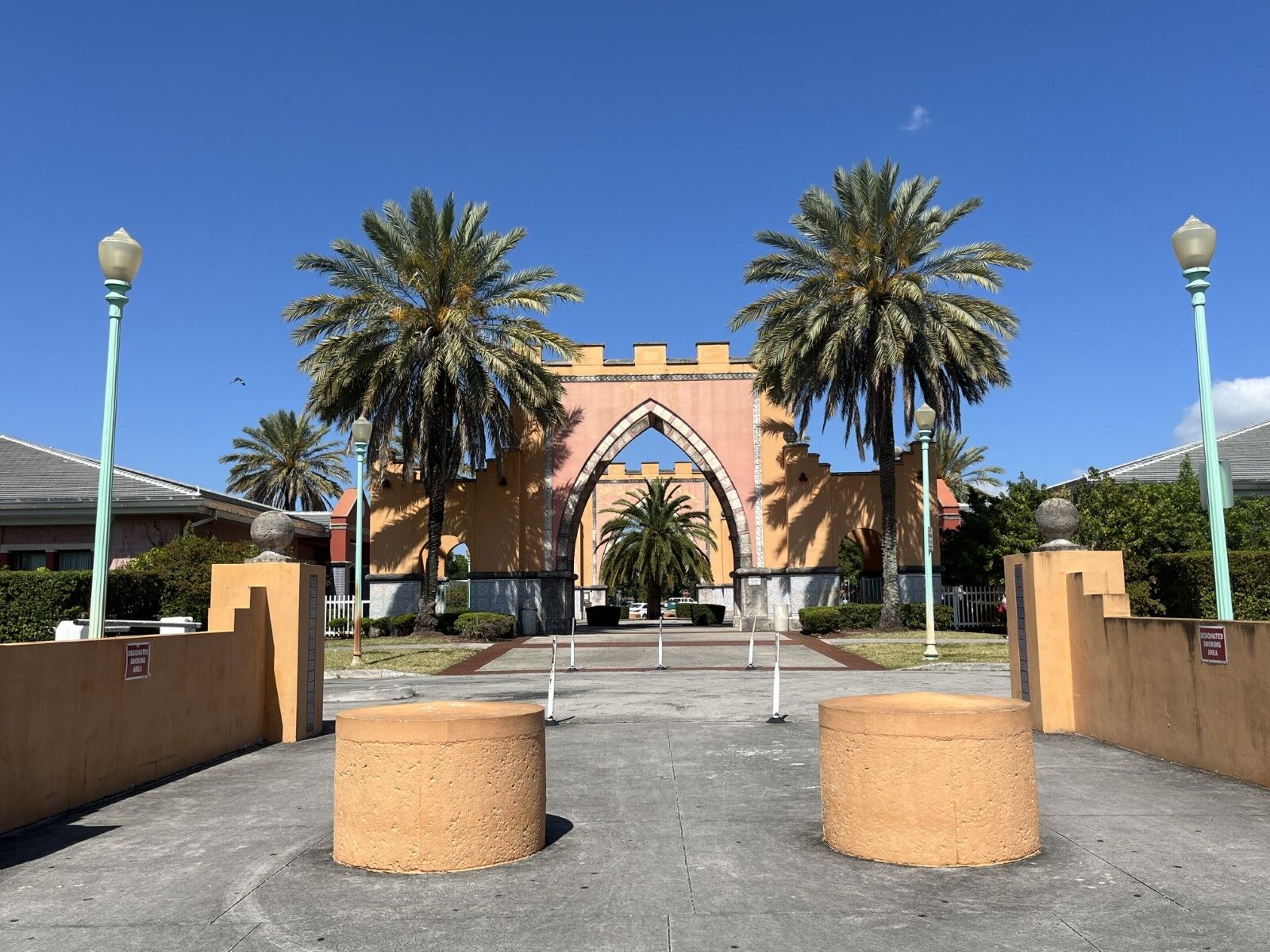
Opa-locka is closer to becoming the site of the Florida Museum of Black History. A committee on Friday selected the city as one of three finalists vying to become the future home of the statewide cultural institution, along with St. Augustine in St. John’s County and Eatonville in Orange County. The three were selected from a field of eight, according to the News Service of Florida.
Finalists will next undergo an analysis by Florida A&M University’s School of Architecture and Engineering Technology. The historically Black school’s findings are to be completed before a May 21 meeting.
Opa-locka’s proposed location at 200 Opa-locka Blvd. is a state-controlled facility that functions as a regional service center, housing offices of the Department of Children and Family Services, among others. As proposed, current occupants would be relocated to the city’s government center, if the city is ultimately selected.
Applicant Ten North Group, an established nonprofit community development corporation based in the city since 1980, along with city officials and representatives of the county, argued for the adaptative reuse and redevelopment of the 4-acre site built in 1999, effectively positioning the location to welcome a world-class museum and related facilities that would be more than 200,000 square feet in size.
“We are thrilled and energized by the news of being selected as finalists,” Willie Logan, Ten North CEO and president, told The Miami Times. “We have garnered broad support from public and private entities, as well as local, county, and state government officials, and we are fully prepared to move forward and bring this project to fruition for Miami-Dade County and the South Florida region on behalf of the State of Florida.”
The site would feature exhibition, retail, performance, multipurpose and garden spaces in the heart of historic downtown Opa-locka.
What gives the city a competitive advantage, according to Logan, is its proximity to major transportation systems like the Trial-Rail station, existing infrastructure and short-term use-ready buildings, and a plan to include hundreds of workforce housing units.
“The overall economic impact, including support for minority-owned businesses, employment opportunities, and increased property values, would greatly benefit residents,” he said. “It would make Miami-Dade County more attractive to the world and the African diaspora, creating another compelling reason for people to visit South Florida and Miami-Dade County. This would lead to increased tourism and economic development.
The task force will reconvene in May and June to further deliberate and move forward with the final selection. That recommendation will be sent to the governor’s office by June or July.
Register for this EventDownload Media KitView the original article
